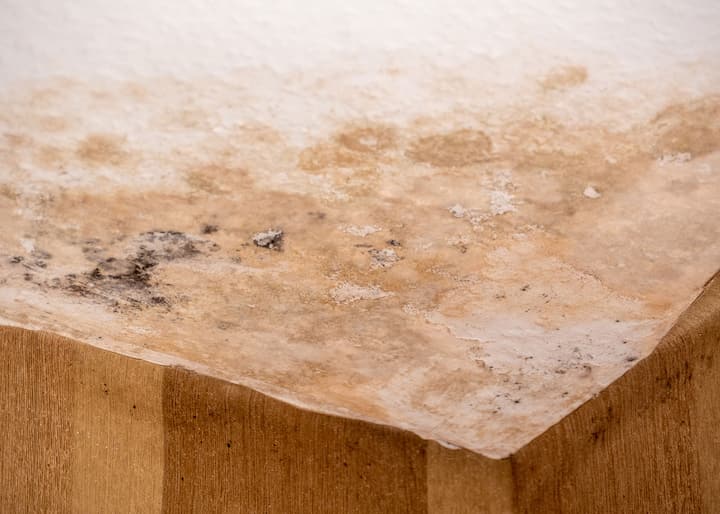
What To Do When There’s Water Damage, Mold, & Mildew?
Water damage, mold, and mildew can be a homeowner's worst nightmare. These problems can arise from many different causes, such as leaks, floods, or excess humidity. The consequences of these issues can be severe, ranging from property damage to health problems. Therefore, it is essential to know what to do when you encounter water damage, mold, or mildew in your home.
In this article, we will provide you with a comprehensive guide on how to deal with water damage, mold, and mildew. We will outline the steps you should take to identify the source of the problem and take immediate action to mitigate the damage. We will also provide you with tips on how to clean and disinfect the affected area to prevent future damage.
Furthermore, we will discuss when it is appropriate to call in professionals to deal with the issue and how you can prevent these problems from occurring in the future. By following the advice in this article, you can protect your property and ensure the health and safety of your family.
Identify the Source of the Problem
Determining the underlying cause of water damage, mold, and mildew is a crucial first step in resolving the issue, as it allows for targeted remediation efforts and prevents the problem from recurring like a vicious cycle. The source of the problem could be a leaky roof, a burst pipe, or poor ventilation.
Identifying the source of water can be challenging, especially when the damage is not visible. However, using specialized tools such as thermal imaging cameras, moisture meters, and hygrometers can help locate the source of water. Once the source of water is identified, the remediation process can begin.
It is important to note that simply removing mold and mildew without fixing the underlying cause of water damage can lead to the problem reoccurring. Therefore, it is essential to identify and address the root cause of the problem to prevent future occurrences.
Take Immediate Action
When faced with water damage, mold, or mildew, it is crucial to take immediate action to mitigate the damage and prevent further growth and spread.
The first step is to turn off the water source and stop the flow of water.
Next, remove any standing water using appropriate tools such as pumps or vacuums.
Finally, dry out the affected areas using fans, dehumidifiers, or other drying equipment.
Swift and effective action can limit the damage caused by water, mold, or mildew and save time and money in the long run.
Turn off the water source
To mitigate further damage, the first step in addressing water damage, mold, and mildew is to promptly turn off the water source.
This action is crucial in preventing the water from spreading and causing more damage. Turning off the water source can be done by locating the main valve and shutting it off.
It is important to note that if the water damage is due to a burst pipe or a plumbing issue, it is best to call a professional plumber to fix the problem before turning the water back on. Failure to do so may result in further damage and cost.
Taking immediate action in turning off the water source is a crucial step in addressing water damage, mold, and mildew and can save homeowners from expensive repairs and health hazards caused by mold and mildew growth.
Remove standing water
The presence of stagnant pools of water in the affected area must be addressed as soon as possible to prevent further damage and potential health hazards.
Standing water can seep into walls, floors, and furniture, causing irreversible damage, and can also create a breeding ground for mold and mildew.
The first step in removing standing water is to turn off the power supply to the affected area to prevent electrocution.
Once safety precautions have been taken, it is important to use a wet/dry vacuum or pump to remove the water as quickly as possible.
It is also essential to dry the area thoroughly by using dehumidifiers, fans, and opening windows to increase airflow.
If the affected area is too large to handle, it may be necessary to seek professional help from a water damage restoration company.
Removing standing water is crucial in preventing further damage and reducing the risk of mold and mildew growth, which can cause respiratory problems and other health issues.
Dry out affected areas
Properly drying out the affected areas is essential to prevent further harm and ensure a safe living environment, much like how a surgeon must thoroughly clean and dry a wound before stitching it up to avoid infection.
After removing standing water, it is important to use specialized equipment such as dehumidifiers, fans, and heaters to dry out the affected areas. It is crucial to maintain a consistent temperature and humidity level to prevent the growth of mold and mildew. Even small areas of moisture can cause significant damage if left unaddressed.
Additionally, proper ventilation is necessary to circulate air and remove any lingering moisture. In cases of severe water damage, it may be necessary to remove damaged materials such as drywall or flooring to ensure complete drying and prevent further damage.
Taking the proper steps to thoroughly dry out affected areas can prevent further damage and ensure a safe and healthy living environment for those affected.
Clean and Disinfect
When cleaning and disinfecting after water damage, mold, or mildew, it is crucial to use appropriate cleaning solutions.
These solutions should be effective against the specific type of contamination present and should not cause any further damage to surfaces or materials.
To protect oneself from potential health hazards, it is also important to wear appropriate protective gear such as gloves, masks, and goggles.
Lastly, contaminated items should be disposed of properly to prevent the spread of disease and further contamination.
Use appropriate cleaning solutions
To effectively clean up water damage, mold, and mildew, it is essential to select appropriate cleaning solutions that can eliminate the contaminants without causing any further damage to the affected surfaces.
The type of cleaning solution to be used depends on the severity and type of damage caused by the water.
For instance, for mold and mildew, a solution of bleach and water can be used, as bleach is a potent disinfectant that can kill mold spores. However, it is important to dilute the bleach solution as a concentrated solution can damage the surfaces.
Other solutions that can be used include hydrogen peroxide, vinegar, and baking soda.
It is essential to read the labels on the cleaning solutions and follow the instructions carefully to ensure that the cleaning process is effective and safe for both the surfaces and the individuals involved in the cleaning process.
Wear protective gear
While some may enjoy the thrill of risking their health, it is highly recommended to wear appropriate protective gear when dealing with contaminated surfaces during the cleanup process.
Mold and mildew, for instance, can cause respiratory problems such as allergies, asthma, and infections. Moreover, mold spores can be carried by air, easily transmitting to other parts of the house.
Protective gear such as gloves, masks, and goggles are necessary when cleaning up contaminated areas. Gloves protect hands from chemicals and other hazards, while masks filter out airborne particles that may cause health problems.
Goggles, on the other hand, protect eyes from splashes or sprays that contain harmful substances. It is important to note that not all protective gear is created equal. It is essential to choose the right gear for the specific job and make sure that they fit properly.
By wearing the appropriate protective gear, individuals can protect themselves from potential health hazards and ensure a safe and effective cleanup process.
Dispose of contaminated items properly
Proper disposal of contaminated items is crucial in preventing the further spread of harmful substances and ensuring the safety of individuals and the environment.
When dealing with water damage, mold, and mildew, it is important to discard any items that have been contaminated beyond repair. This may include porous materials such as carpet, drywall, and insulation, as well as non-porous items like furniture and appliances.
These items should be placed in plastic bags or containers and labeled as hazardous waste before being disposed of properly. It is essential to follow local regulations and guidelines for hazardous waste disposal, as improper disposal can lead to further contamination and harm to the environment.
Additionally, it is important to thoroughly clean and disinfect any surfaces that have come into contact with contaminated items to prevent the spread of mold and mildew spores.
Taking these steps can help to minimize the risk of health hazards and ensure a safe and healthy living environment.
Prevent Future Damage
Implementing preventive measures is essential in mitigating the risk of future water damage, mold, and mildew.
There are several steps that can be taken to prevent these issues from occurring, such as ensuring proper ventilation and maintaining an appropriate level of humidity in the home.
Regularly inspecting and repairing any leaks or water damage is also crucial in preventing future issues.
Additionally, using mold-resistant materials and cleaning and disinfecting surfaces regularly can help to prevent mold and mildew growth.
It is important to note that prevention is key, as once water damage, mold, or mildew has occurred, it can be difficult and costly to remediate.
By taking proactive steps to prevent these issues, individuals can ensure the long-term health and safety of their homes and families.
Call in Professionals
After taking steps to prevent future water damage, it's important to call in professionals when dealing with mold and mildew.
These types of issues can be tricky to handle on your own and can potentially cause health concerns if not taken care of properly.
Professional mold and mildew remediation services have the necessary equipment and expertise to identify and eliminate these types of issues safely and effectively.
By calling in professionals, you can ensure that your home or business is free from these types of hazards and provide peace of mind for yourself and those around you.
Don't hesitate to seek out professional help when dealing with mold and mildew issues to protect the health and safety of everyone involved.
Connect with Mold Remediation experts near you
Need help with your next Mold Remediation project? We're here for you! Call us and we'll put you in touch with experienced, reliable Mold Remediation experts in West Monroe, Louisiana.